ကချင်မြေရှားသတ္တုတူးဖော်မှု၏ သက်ရောက်မှုများအလယ်က အမျိုးသမီးများ၏ အသံများ (အပိုင်း ၁)

English Translation Below
Myanmar Women Environmental Human Rights Defenders Networking Group စီစဉ်တင်ဆက်ထားသည်။
နာမည်က အပန် ၊ အသက် ၃၃ နှစ်ရှိပါပြီ။ ကျမက ဖရဲရွာမှာ ၂၀၁၇ ခုနှစ် ကတည်းက စရောက်လာခဲ့တယ်။ ဒီ နေရာမှာ rare-earth လုပ်ငန်းကို ၂၀၁၈-၂၀၁၉ နှစ်တွေမှာ စတင်လုပ်ဆောင်လာတာကို တွေ့ရတယ်။ အမျိုးသမီးအခန်းကဏ္ဍမှာတော့ ကျမ ၂၀၁၄ ခုနှစ်ကနေ အခုထိတိုင် ပါဝင်လုပ်ဆောင် နေပါ တယ်။
ဒီလုပ်ငန်းကြောင့် ကျန်းမာရေး ပိုဆိုးလာတာတွေရှိတယ်။ အရင်တုန်းက မဖြစ်ဖူးတဲ့ အနာ၊ ကလေးတွေမှာ တကိုယ်လုံးယားလာပြီး အဖု-တစ်ဖုဘဲ ဖုတာမဟုတ်ဘဲ အနာတကိုယ်လုံး အရေပြားရောဂါလို ဖြစ်လာတယ်။ အရင်တုန်းက မဖြစ်ဖူးဘူး။ အခုဒီသတ္တုလုပ်ငန်း လုပ်လာပြီး နောက်ပိုင်း မနှစ်ကစပြီး ဖြစ်လာတာ တွေ့ရတယ်။ တစ်ရွာလုံးနီးပါး ယားလာတယ်။ ဆရာတွေ လာပြော ပြတာက ရေကြောင့်ဖြစ်တယ်ပေါ့နော။ သူတို့က လာစမ်းသပ်ထားတာဖြစ်တယ်။ ရေမသန့်တာ ကြောင့် ဖြစ်တယ်။
သတ္တုဆိုက် လုပ်ပြီဆိုတာနဲ့ လူမျိုးလဲပေါင်းစုံ လာကြတယ်။ အဲ့ဒီမှာ တစ်ချို့အမျိုးသမီးတွေက အလုပ်သွားလုပ်တာတွေရှိတယ်။ အချို့က တရုတ်အမျိုးသားတွေရဲ့ မယားငယ်တွေ လုပ်ခိုင်းတာတွေရှိတယ်။ အရင်တုန်းကတော့ သိပ်မရှိဖူးဘူး။ ပြောရမယ်ဆိုရင်တော့ ၁၀ ယောက်မှာ သုံးယောက်နှုန်းလောက် ဖြစ်နေပြီ။
ကျမတို့က အရင်က ၂၀၁၂ ခုနှစ်ကတည်းက စစ်ဘေးရှောင်တာ အခုချိန်ထိ ဟုတ်တယ်။ အရင်က အခုသတ္တုလုပ်ထားတဲ့နေရာက ပြောင်းတွေ စိုက်စားတဲ့ နေရာဟုတ်တယ်။ အခုက ကျမတို့ အရမ်းစိုးရိမ်နေတာရှိတယ်။ ဘယ်လိုစိုးရိမ် သလဲဆိုတော့ ကျမတို့က စစ်ဘေးရှောင်နေကြတာဖြစ်ပြီး စစ်ဘေးရှောင်နေတုန်း အလှူရှင် Donar တွေက ဆန်တွေထုတ်ပေးတာ တွေ ရှိတယ်။ အဲ့ဒါကိုစားပြီးနေကြတယ်။ အခုက ဒီနှစ်ကနေစပြီ ကိုယ်အိမ်ကိုပြန်ရတော့မယ်။ ၉၀ရာခိုင်နှုန်း သေချာနေပြီ။ ကျမတို့ပြန်တဲ့အချိန်မှာ အလုပ်ပြန်လုပ်စားဖို့ မြေကြီးတွေ မရှိနေတော့ဘူး။ ဒါကိုစဉ်စားပြီးပိုပြီး စိုးရိမ်နေတယ်။ စဉ်တောင့်မစဉ်စားရဲဘူးဆိုပြီး အချို့ကပြောကြတယ်။
အခုလဲ ဒီမှာကျောင်းတက်နေတဲ့သူတွေရှိတယ်။ တစ်ကယ်လို့ အိမ်ပြန်ပြီး လုပ်စားရတော့မယ်ဆိုရင် တစ်ချို့ ကျောင်းတက် လို့ မရတော့ဘူး။ နေရာလဲပျောက်။ ကျမတို့က တောင်ပတ်လည်မှာဘဲနေပြီးဘေးမှာ ဘဲ လုပ်စား ကြတော့ အခုက တောင်တွေအရမ်းပြိုလာတယ်။ ၅လပိုင်း၊၆လ၊၈လ၊၉လပိုင်းအထိက မိုးအရမ်းများတော့ မြေ ပြိုတာတွေအရမ်းများတယ်။ ဒါကိုလည်းစိုးရိမ်တယ်။နောက်ပြီး သူတို့အားလုံးမှာကျွန်းလုပ်ထားတာရှိတယ်။ သူတို့ အဲ့သည်မှာ ကျွဲ၊နွား တွေပြုတ်ကျရင်တောင်သေမှာပဲ။ အားလုံးလိုလိုနေရာ တွေမှာ ကျွန်းတွေကျွန်းတွေ ဖောက်ထားတယ်။ ဒါကို တွေးကြောက်နေရတယ် နောက်ပိုင်းမှာ ကျမတို့တွေဘာလုပ်စားရမလဲ ဆိုပြီး တွေး ကြောက် နေတာများတယ်။ အခြားလုပ်ကိုင်စားစရာလည်း အဲဒီမှာ မရှိဘူးပေါ့နော။
ဒီနှစ်ကနေစပြီးမှ ဆန်တွေကိုလည်း သုံးလ၊ လေးလ နေမှတစ်ကြိမ် လက်ခံရရှိတာတွေဖြစ်နေပြီ။ ဒါကြောင့် အများပိုင်းကသူတို့ပြောကြတယ်.. “ပြန်ကြပါဆိုပြီ အတည်တကျတော့ပြောလို့မရသေးဘူး။သို့ပေမယ့် ပြန်ဖို့တော့ပြင်ဆင်ရတော့မယ်ဆိုပြီး ပေါ့နော”
ကိုယ့် အိမ်ခြံမြေမှာ တော့ သူတို့ လာမတူးဘူး။ သို့ပေမယ့် ကိုယ့်အိမ်ခြံတောင့်မှာ မုန့်ညင်း တွေ စိုက် စား ရင် မြေကြီးခြောက်လာတာတွေ ဖြစ်လာနေပြီပေါ့နော။ မြေဩဇာတွေအားလုံး လေထု ညစ်ညမ်းမှု ဖြစ်လာတယ်။ ဒီနှစ်ပိုဆိုးလာတယ်။ လွန်ခဲ့တဲ့နှစ်က ဒီဖရဲမှာ နှင်းတွေ၊ ရေခဲတွေ အရမ်းကျသေးတယ်။ ဒီနှစ် မှာက အရမ်းဖြုန်းသီးလာပြီ ဖြစ်တဲ့အတွက် ရေခဲလုံးဝ မကျတော့ဘူး။ ဒီလိုပြောင်းလဲချက်တွေကို တွေ့ လာရပြီ။ ကိုယ့်အိမ်ခြံမြေမှာလည်း ဘာမှ စိုက်စားလို့ မရတဲ့ အခြေအနေဖြစ်လာပြီ။
အမျိုးသမီးတွေမှာ ကလေးမရနိုင်တဲ့ အခြေအနေကြုံနေရတာကို အသိဆရာမ တစ်ယောက် သတိထားမိလာတာ ရှိတယ်။ သူပြောပြတာက အစက မသိဘူး။ နောက်မှ ဇီးလွန်သာ့သနာ အသင်းတော်က ကျမတို့ကို သာ့သနာလာပြု ပြောြပတဲ့အခါမှ ကျမတို့ဆီမှာ အရမ်းဆိုးတဲ့အခြေအနေ ဖြစ် နေပြီဆိုပြီး ရေလာစမ်းသပ် စစ်ပေးသွားတယ်။ ရေက ကောင်းတဲ့ရေက မရှိတော့ဘူး။ မရနိုင်တော့ဘူး။ အရင်က မဖြစ်ဖူးဘူး အခုက အများအားဖြင့်က ကလေး မရနိုင်တာ တွေဖြစ် လာတယ်။ မိန်ကလေးမွေးရင် အရင်က မဖြစ်ဖူးဘူး။ ကလေးခေါင်းအကြီးကြီး မြောက်လိုလို ကလေး မွေး လာတာရှိလာတယ်။ ဒီသတ္တူတူးတာကြောင့်ပေါ့နော။
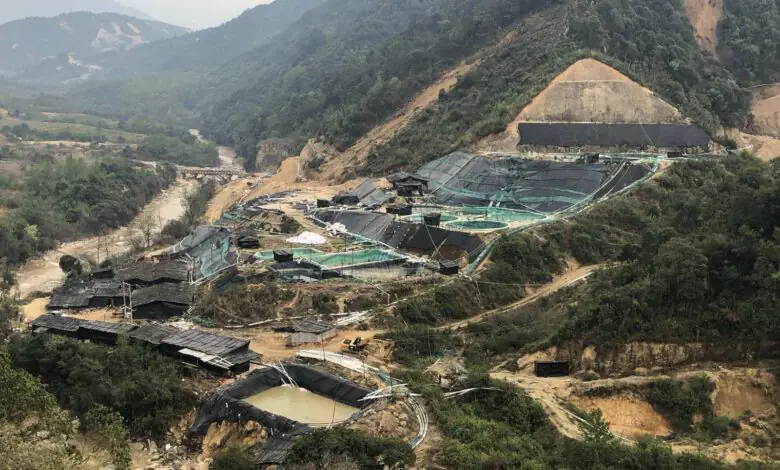
တူးထားတဲ့မြေကြီးတွေ သယ်တာကလည်း ရွာလယ်က လမ်းမကြီးတစ်ခုဘဲရှိတော့ သယ်လာတဲ့အချိန်မှာ မြေဩဇာတွေက လမ်းမှာ ကျကျန်ခဲ့တာတွေရှိပြီး အဲ့ဒီ အနံအသက်တွေ အားလုံးကလည်းရွာမှာ ကျန်ခဲ့တယ်။ ဒါကိုစားမိတဲ့နွားတွေလည်း သေတယ်။ သူတို့သယ်ထုတ်ထားတဲ့နေရာနဲ့ ထုတ်လုပ်တဲ့ နေရာကလည်း အရမ်းကြီး မဝေးဘူး။ လမ်းမကောင်းဘူး ဆိုတော့ ၁၅ မိနစ်လောက်ဘဲဝေးတယ်။ အဲ့နေရာမှာဘဲ RareEarth ကို ထုတ်၊ မီးရှို့ တာတခါတည်း အကုန်လုပ်တယ်။
ကျမတို့ အရမ်းနာကျင် စိတ်မကောင်းဖြစ်ရတယ်။ ကျမတို့သွား ပြောပြန်တော့ လည်း သူတို့က အစိုးရဖြစ်တဲ့အလျောက် ကျမတို့က မနိုင်ဘူး။ အခု ဖရဲ မှာက ပိုဆိုး။ မေးတာတောင် ခိုးကြောင်ခိုးဝှက် မေးရမလိုဖြစ်နေတယ်။ အခုလောလောဆယ်ဆယ် လိုင်ဇာမှာ အသင်းတော်က ဆရာမ တစ်ယောက် ထောင်ကျနေတယ်။ သိပေမယ့် ဘုရားဖန်ဆင်းထားဖြစ်တယ်ဆိုပြီး ဘုရားသခင်နဲ့ နှိမ်သိမ့်လိုက်တယ်။ သေရင်လည်း သေပေါ့နော။ ရေကောင်းရေသန့်လည်း မရှိတော့ဘူး။ သူများကပြောတယ်။ သတ္တူးတူးရင် မကောင်းတာတွေ များလာမယ်ဆိုပေမယ့် ကျမတို့က ဘယ်မှ မသွား တတ်။ ဘာမှ မလုပ်တတ်ဖြစ်နေတယ်။ မျော်လင့်ချက်မဲ့ပြီးနေနေရတယ်။
ဒီအပေါ်မှာအမျိုးသမီးအချင်းချင်း အားပေးဖို့လည်း ကျမတို့ဖရဲမှာက သီးသန့်ဖြစ်နေတယ်။ တခြားရွာတွေနဲ့ မနီးစပ်ဘူး။ ကျမတို့အချင်းချင်းဘဲ မြင်ရတယ်။ ကေအိုင်အေ စစ်မေ တွေရှိတယ်။ ကြည့် လိုက်တာနဲ့ အလုပ်ဝင်၊ သီးသန့်နေရာတွေဖြစ်ပြီး အချင်းချင်းဘဲရှိတယ်။ တစ်ခုခုသွားပြော၊ တိုင်ဖို့က လည်း လက်တွေ့မှာ အလုပ်မဖြစ်နေ၊ သွားပြောတဲ့သူတွေကိုလည်း ထောင်ချတာတွေရှိနေတယ်။ အစိုးရက အစိုးရဘဲဆိုပြီး ကြောက်ကြတယ်ပေါ့နော။
အရင်တုန်းက ဆိုရင် နည်းနည်းစိုက်ရင်လည်း နည်းနည်း အလုပ်ဖြစ်တယ်။ ကောင်းတယ်။ အခုက အရင်တုန်းကလို မြေဩဇာတွေ မကောင်းတော့ဘူး၊ ခြောက်လာတယ်။ ရေကောင်းလည်း မရတော့ဘူးဆိုတော့ ကလေးတွေအတွက် ပိုပြီးစိုးရိမ်မှုတွေရှိလာတယ်။ အခုတလော ဒါတွေပိုသိလာတော့ စိုးရိမ်မှုတွေ ပိုရှိလာ တယ်။ ရေ ကောင်း မရတော့ဆိုတာကို သူတို့လည်းသိတယ်။ သူတို့မှာ အစီအစဉ်ရှိတယ်လို့တော့ပြောပြီး အခုက မြန်မြန်လာ မလုပ်ပေးဘူး။ ရေသန့်စက်ရုံ ဆိုလား လာလုပ်ပေးမယ်ပြောတယ်.. ကြားတယ်။ ဒါပေမယ့် မြန်မြန်မလုပ်ပေးဘူး။ ကျမတို့ကို က ရေ တွေကို အကုန်လုံးကြိုချက်ပြီး သောက်ရတော့မယ်ဆိုပြီး လာပြော တာ ရှိတယ်။ ကလေးတွေအကုန်လုံးက ကျောင်းသွားပြီး ကျောင်းနဲ့အိမ်နဲ့က ဝေးဆိုတော့ ကလေးတွေကို အသေးစိတ် မကြည့်ပေးနိုင်ဘူးဖြစ်တယ်။ ရေက နေရာတကာပြန်ရှိနေတော့ ကလေးတွေက ကြုံရင်ကြုံသလို သောက်လိုက်တော့ စိုးရိမ်စရာဖြစ်နေတယ်။
ကျမတို့ကို ပိုက်ဆံအရမ်းရှိတယ်ဆိုပြီး ထင်ကြတယ်။ “နင်တို့ဖရဲတွေ မြေကြီးရောင်းစားတော့ ပိုက်ဆံအရမ်း ရမှာဘဲ ဆိုပြီး” ပန်ဝါ ဒေသမှာက သူတို့ကိုလာမေးတဲ့အချိန် သူတို့မှာက ပိုက်ဆံရတယ် ပြောတယ်။ ဒီမှာက နေရာအကုန်လုံးတွေမှာ စမ်းသပ်တူးကြည့်ပြီးမှ နည်းနည်းပါတာရှိတယ်။ အဲ့နေရာမှာဘဲ သူတို့က တိုင်းပြီး အဲ့လောက်ပဲ တိုင်းပေးတယ်။ တိုင်းပေးတာကလည်း ကန့်သတ်ချက်ရှိတယ်။ တစ်မော်ကို ၂၀၀ ဘဲပေးလို့ ရတယ် ဆိုပြီး ကုပဏ္ဍီတွေကို ကေအိုင်အို အစိုးက သတ်မှတ်ထားပေးတယ်တဲ့။
အဲ့လိုသတ်မှတ်ထားပေးတော့ ကျမတို့မြေကြီးတွေက အကုန်ပါသွားပေမယ့် ကျမတို့ရတဲ့ပိုက်ဆံတွေက တရုတ်ယွမ် ၁၀၀၀/၂၀၀၀ လောက်ဘဲ ရကျန်ခဲ့တယ်။
ရေက ကျမတို့က ရေသန့်ရဖို့ တူးလို့ မရဘူး၊ တောင်ကျရေဘဲ အားကိုးရတော့ အခုက ရေသန့် မရှိတော့ဘူး။ အရင် ဒီသတ္တူ မတူးခင်တုန်းကတော့ ကျမတို့ညဆိုရင် တောမှာရှိတဲ့သဘာဝ အကောင်တွေကို သေနတ်တွေ နဲ့ရှာစားတာတွေရှိတယ်။ အခုက မရနိုင်တော့ဘူး။
ကျမတို့ အမျိုးသမီးတွေလည်းည ဆိုရင် သွားသွားလာလာလုပ်ရင်လည်း စစ်သားတွေက အရက်မူးပြီး လျောက်သွားဆိုတော့ လမ်းမှာတွေ့မှာကြောက်ပြီး သိပ်မသွားရဲတော့ဘူး။
အရင်တုန်းက ကျမတို့က ဝါးပင်ခုတ်ပြီး သူတို့ကို ရောင်းစားတယ်။ ဒါပေမယ့် အခု တရုတ်တွေက သူတို့ ခုတ်ချင်သလို ခုတ်ယူပြီး ယူသွားတယ်။ သွားပြောတော့ “နင်တို့စိုက်ထားတာ မဟုတ်ဘူး၊ သဘာဝပေါက်တာဆိုပြီး” ပြန်ပြောလာတယ်။ နင်တို့ ပြောချင်ရင် အစိုးရကိုသွားပြောပါဆိုပြီး ပြန်ပြောခဲ့တယ်။ အဲ့လိုမျိုးပြော မရတာတွေ ဖြစ်လာတယ်။
ဒီသတ္တူတူးဖို့ သူတို့လမ်းလုပ်တယ်။ လမ်းလုပ်တော့ (နစ်နာကြေး) ပေးရမှာဖြစ်ပေမယ့် သူတို့က ဒီလမ်းက ငါတို့ တရုတ်ပြည်ကို မ သွားသယ်သွားမှာ မဟုတ်ဘူးဆိုပြီး မ ပေးဘူး။ သူတို့ကားတွေက နေတိုင်းဖြတ်ပြီး သူတို့စိတ်ကြိုက် သူတို့ကြိုက်သလို လမ်းဖောက်၊ လမ်းချဲ့ ဘက်ဖိုး တွေနဲ့ ကြိုက်သလိုလုပ်တော့ ကျမတို့ လမ်း တွေ၊ တောင်တွေ၊ ကျမတို့လုပ်စားနေတဲ့အရင်းအမြစ်တွေက အကုန်လုံးပျက်စီးသွားတယ်။
အစ စလုပ်လာတုန်းက မြေဩဇာသယ်လာတဲ့ကားကို ကျမတို့က ကျမတို့ရဲ့ဘိုးဘွားတွေ ဒီတောင်ပေါ်မှာပဲ နေလာ တယ်။ လချိတ်စကားပဲ တတ်တယ်။ ဘယ်မှလည်းမသွားတတ်ဘူးဆိုတော့ ဒီမှာက တစ်သက်လုံး နေရ မှာဘဲ ဖြစ်တယ်ဆိုပြီး သူတို့ကို မလုပ်ခိုင်းစေချင်ဘူး။ အဲ့ဒါကိုကျမတို့ဆန့်ကျင်တယ်။ ဒီတရုတ် မြေဩဇာ သယ်ကားတွေကိုလည်း ကျမတို့ က လဂွေအထိ သွားပို့ထားပြီ။ ဒါကို ကေအိုင်အေအစိုးရက “ဖြတ်ခိုင်း လိုက်” ဆိုပြီး ပြန်လာကြတယ်။ အဲ့ဒီအချိန်မှာ ရွာသားတွေနဲ့ ရန်ဖြစ်ကြတယ်။ အဲ့ညက ကျမလည်းသွားတယ်။ ကျမတို့က ဒီမှာက ကေအိုင်အေ တစ်အိမ်အယောက် မလုပ်မနေရ ခေါ်ထားတာရှိတယ်။ mung shawa hpyenla တွေ နဲ့ ကေအိုင်အေ အစိုးရ ပစ်ခတ်ကြတာတွေ ဖြစ်ပြီးလူတစ်ယောက် သေဆုံးတာ ရှိခဲ့ တယ်။ အဲ့အချိန်မှာ သူတို့ပြောတာက “သတ္တူတူးဖို့က နင်တို့ပြောလို့ မရဘူး။ အထက်အမိန့် Ginjaw ကနေ လာတာဖြစ်တဲ့အတွက် မလုပ် မနေရဖြစ်တယ်။ နင်တို့ပြောရင်လည်း မရဘူး” ဆိုပြီး ပြောလာတာရှိတယ်။
ကျမတို့အနေနဲ့ ဒီမြေဩဇာသယ်ကားတွေ ရွာလမ်းလယ်ဖြတ်သွားတာနဲ့ ပတ်သက်ပြီး ကျမတို့ ကေအိုင်အေကို သွားပြောလဲ အရေးယူလုပ်ဆာင်ပေးတာ မရှိဘူး။ ဝါးခုတ်တာနဲ့ ပတ်သက်ပြီး ကျမတို့ခြံမှာလဲ ဖြစ်တော့ ကျမ ယောကျ်ားက သွားပြောတယ်။ ဒါပေမယ့် အရေးယူပေးတာ မရှိဘူး။
ကျမတို့ သယံဇာတ အရင်းအမြစ်တွေ-ဝါး၊ သစ်ပင်ကြီးတွေ ဒီအရင် ဒီသတ္တူတူးဖော်တာ မလုပ်ခင် တုန်းက တရုတ်တွေက ကျမတို့က ထွက်တဲ့ ဒေသထွက်တွေ အကုန်လုံး ဝယ်ယူတယ်။ ကျမတို့က ရောင်းစားလို့ရတယ်။ သစ်ပင်ကြီးတွေရဲ့ အမြစ်တွေကို သူတို့က ဝယ်ပြီး အလှကုန် တွေ ပြန်လုပ်တယ်ပေါ့နော။ အရွက်တွေ (တောင်ပေါ်မှာက ပေါက်ဂိုလို တော့ခေါ်တယ်။ ပိသာချိန်နဲ့ရောင်း ကျ တယ်။ တရုတ်ဦးလေး တစ် ယောက် လာ ပြီး နှစ်တိုင်းလာ လာ ဝယ်တယ်။ ချင် ဆော်ခါးသီး (Mawau si) ကို တရုတ်တို့ကဘဲ လာဝယ်ကျတယ်။ ဒါပေမယ့် ဒီသတ္တူတူးတဲ့နောက်ပိုင်း လာဝယ်တာ မရှိတော့ဘူး။
သတ္တူးတူးတဲ့အတွက်ကြောင့် ကေအိုင်အေလူကြီး (salang ni)၊ အခြားအပြင်ကသူတွေ နာမလည်ပေးမှု ကြောင့် ကျမတို့ပိုပြီး ထိခိုက်ခံစားရတယ်။ ဘာကြောင့်လဲဆိုရင် ဒီလို ပြသာနာဖြစ်တော့ သူတို့ တက်လာ ကြတယ်။ တက်လာတော့ ဒီကိစ္စမှာ ပါဝင်နေတဲ့လူကြီးတွေကိုဘဲ တွေ့သွားပြီး ကျမတို့ ရွာသားတွေရဲ့အသံကို နား မထောင်ဘဲနဲ့ ပြန်သွားတော့ ကျမတို့က အော် သူတို့သဘောနဲ့ သူတို့လုပ် နေကြတယ်။ ဆိုပြီးဘဲ တွေးလိုက်ကြတာ ရှိတယ်။ ကျမတို့ပိုပြီး နေရခက်တယ်။ သူတို့လာတော့ကျမတို့ အရမ်းဝမ်းသာတယ်။ ဟိုတစ်ခါ ကိစ္စတွေ ဖြစ်တော့ ကျမတို့ KBC ကိုလည်းပြောတယ်။ ကေအိုင်အေကိုလည်း ပြောတာရှိတယ်။ နောက်ပိုင်းမှ အထက် လူကြီး တစ်ယောက်ရောက်လာပြီး မလာခဲ့နိုင်တဲ့အတွက်အရမ်းတောင်ပန် ကြောင်းလာပြောတော့ ကျမတို့ က စိတ်အရမ်းနာတယ်ပေါ့နော။ သူတို့ကိုဘာတွေများ သွားပြောထားတာတွေရှိလဲပေါ့။ ဆိုပြီး ကျမတို့ကပိုပြီး စိတ်နာတာတွေဖြစ်တယ်။
အမျိုးသမီးတစ်ယောက်အနေနဲ့ ကျမတို့ပိုခံစားရတယ်။ ဒီလိုလည်းစဉ်စားဖြစ်တယ်။ ပြသာနာတွေဖြစ်ရင် ကျမတို့အမျိုးသမီးတွေက အများအားဖြင့် မပါဝင်ရဘူး။ “သူတို့ ယောက်ျားတွေသွားပြောတာတောင့် ဘာမှ အရေးမယူပေးဘူးဆိုတော့ ကျမတို့အမျိုးသမီးတွေဘဲသွားပြောရင်လည်း ဘာမှ ဖြစ်လာမှာမဟုတ်ဘူး” ဆိုပြီးတွေးလိုက်ကြပြီးဒီလိုဘဲခံစားပြီးသွားနေကြတယ်။ သွားပြောမယ်ဆိုရင်လည်း အဲ့အဖွဲ့မှာက သူတို့ လူတွေဘဲဖြစ်နေတယ် မပြောြဖစ်ကြတော့ဘူး။
ကျမ သိပ်တော့မသိဘူး။ ရွာရဲ့ အမျိုးသမီးအဖွဲ့မှာ ကျမ မပါဝင်ထားဘူး။ ရွာထဲမှာကိုက ကေအိုင်အေ အမျိုးသမီး အဖွဲ့ဆိုပြီး ဖွဲ့ထားပေးတာရှိတယ်။ ဟိုတစ်ခါ “ကျမကိုတာဝန်ပေးဖို့၊ ထည့်ဖို့ဆွေး နွေး ကြတော့ ကျမက မြစ်ကြီးနားက လာတဲ့သူဆိုတော့ ကျမကိုအဖွဲ့ထဲထည့်ရင် မကောင်းဘူး ဆိုပြီး ပြောကြ တယ်” ဆိုပြီးကြားရတယ်။ ဒီရွာမှာ ထည့်ထားတဲ့အမျိုးသမီးတွေက ဘာသာစကားလည်လည်ဝယ်ဝယ် မရှိဘူး၊ သူတို့ကိုထောက်ခံတဲ့သူတွေကိုဘဲ ထည့်ထားတာများတယ်။
ကချင်စကားလည်း သိပ်မသိ၊ ဗမာစကားလည်း လည်လည်ဝယ်ဝယ် မရှိ၊ နားဘဲလည်ပြီး လည်လည် ဝယ်ဝယ် မပြောတတ်တဲ့သူတွေကို ထည့်ထားတာတွေ့ရှိတယ်။ အမျိုးသမီးအဖွဲ့တော့ရှိပေမယ့် သူတို့ရွေးချယ်ပြီးထည့် ထားတဲ့သူတွေဖြစ်နေတယ်။ ရွာထဲက ၃ယောက်၊၄ယောက်ပါဝင်တယ်။ ပြောပြချင်တာက နည်းနည်းလေး အမြင် ရှိပြီးလည်လည်ဝယ်ဝယ်ရှိတဲ့သူတွေကို ထည့်ထားသင့်တယ်ပေါ့နော။ ဒါပေမယ့် အဲ့လိုဟုတ်မနေဘူး၊ ထည့်ကထည့်ထား။ ကျမတော့ သူတို့ တခြားသူတွေမေးလာရင် ဒီလိုအဖွဲ့ရှိတယ့်ဆိုပြီးဟန်ပြ ပြဖို့ဘဲလို့ တွေး ယူ တယ်။ လချိတ်စကားတစ်ခုဘဲ တတ်တဲ့ သူတို့ ကိုဘဲ ထည့်ထားတော့အထက်လူကြီးတွေနဲ့ လည်း စကားလဲ မပေါက်ဘူး။ နာမည်တော့ ထည့်ထားပေမယ့်အားလုံးအတွက်က ကိုယ်စားမပြုနေဘူး။ ဘာကြောင့်လဲဆိုရင် သူတို့အပေါ်က တစ်ခုခုပြောလာရင် လိုက်နာပြီး လိုက်လုပ်တဲ့သူတွေကိုဘဲထည့်ထားတယ်။ တစ်ချို့တွေက ပြန်ပြောတာတွေ အငြင်းအခုန်ရှိတွေရှိတော့ မထည့်ဘူး။
ဟိုဘက်ကြည့်ရင်လည်းအတူတူ၊ ဒီဘက်ကြည့်ရင်လည်းအတူတူဆိုတော့ ဘာမှမလုပ်တတ်ကြဘူး။ ဝိုင်းဖွဲ့ စကားပြောကြရင်တောင် အခုက သူတို့အမျိုးသမီးအဖွဲ့တွေကို ပြောရင်တောင့် သူတို့က ထောက်လှမ်း ရေး တွေလိုဖြစ်နေတယ်။ သူတို့ကိုပြောလိုက်ရင်သူတို့က ဟိုကိုပြန်ပြောနဲ့ ဆိုတော့ ကျမတို့ကိုပြန်ပြီး အရေးယူ တာတွေ ဖြစ်လာတယ်။ အဲ့ဒါကြောင့် ကျမတို့က ဥပမာ သူတို့အမျိုးသမီးအဖွဲ့ လေးယောက်ရှိပြီဆိုရင် ကျမတို့ က ဘာမှ မပြောတော့ဘူး။ ကျမတို့အချင်းချင်းဆိုရင်တော့ ပြောကြတယ်။ အစိုးရတွေနဲ့ ပတ်သက် နေတဲ့ သူတွေရှိရင်တော့ ကျမတို့က ဘာမှမဆွေးနွေးကြတော့ဘူး။ ဘာကြောင့်လဲဆိုရင် ကျမတို့ ကြောက်တာ ကြောင့် ပေါ့နော။ လက်တွေ့မှာလည်းဒီလိုတွေဖြစ်နေတော့ ကျမတို့ ဒီရွာအမျိုးသမီးအချင်းချင်း ကြားလည်း အခုတော့ တစ်ယောက်နဲ့တစ်ယောက် တကူးတက အားပေးကြတာမျိုးလည်း မရှိဘူး။ ကြောက်တယ်။ ကြောက်တဲ့ စိတ်က အားလုံးကို လွမ်းမိုးနေတယ်။
အခြား အမျိုးသမီးတွေနဲ့ ဆက်သွယ်ပြောဆိုတာတွေတော့ တခါတလေ ကျမတော့ရှိတယ်။ တစ်ခြား အမျိုးသမီးတွေလည်း ရှိတော့ရှိလိမ့်မယ်။ ဒါပေမယ့် ကျမတို့ဖရဲက သီးခြားဖြစ်နေတော့ ကျမတို့နားလည် ပေးတဲ့ အခြားအဖွဲ့အစည်း တွေနဲ့တော့ တကူးတက ဆက်သွယ်ပြီး ဆွေးနွေးကြတာမျိုးတော့ မရှိဘူး။
ကျမတို့ အမျိုးသမီးတွေ ဘာမှ လုပ်နိုင်မှာ မဟုတ်ဘူး၊ အရည်အချင်းလည်းရှိမှာ မဟုတ်ဘူး” ဆိုပြီးပဲ တွေးထားလိုက်တယ်။ ဒါပေမယ့် အခုအချိန်ထိ တောင့်ခံ နိုင်နေတယ်။ ရေကောင်းရေသန့်လဲ မရဘူး။ သေရင် လည်း အားလုံးအတူတူသေမှာဘဲဆိုပြီး ပေါ့နော။ အချို့ကတော့ “ပိုက်ဆံရှိလာရင် မိသားစုတွေကို တစ်ခြား နေရာတွေမှာသွားနေခိုင်းမယ်။ မိသားစုမှာ တစ်ယောက် အသက်ရှင်ကျန်ရင်လည်း ကျန်ပါစေဆိုပြီး” ရင်ဖွင့်ပြောဆိုကြတာတွေ ရှိတယ်။
စိုးရိမ်ပေးတာက အခု ကျမတို့ဘဝတွေက ဒီအတိုင်းသွားနေပြီ။ သို့ပေမယ့်သူတို့ဘဝတွေက ပညာ မတတ်ဘူး ဆိုရင်ဘာလုပ်စားမလဲ၊ နေရာ(မြေကြီး)လည်းမရှိတော့ဘူး၊ နေရာလည်းမကောင်းတော့ဘူး။ အရင်တုန်းကတော့ဝါးတွေ၊ သစ်တွေ လုပ်တယ်။ အခုကဘာလုပ်စားကြမလဲဆိုပြီးစိတ်ပူပန်ပေးတယ်။
တောင်ပေါ်မှာနေရင်က ကလေး တွေအများကြီး ၈ယောက်၊ ၁၀ယောက် မွေးထားကြတယ်။ အဲ့ဒါကြောင့်ကျမက “အများကြီး မမွေးကြ နဲ့တော့။ ကျမက ကလေးအများကြီးမွေးတာကို အားမပေးဘူး။ ဘာဖြစ်လိုလဲဆိုရင် ကလေးတွေ ရှေးရေးကို စဉ်စား ကြည့်ရင် အရမ်းခက်ခဲလာတယ်။ အခု စစ်ဘေးရှောင်မှာ ဆန်ထုတ်ပေးနေတော့ ကလေးတွေ ကျောင်းတက် နေနိုင်တယ်။ မထုတ်ပေးတဲ့နေ့ကနေ စပြီး ကလေးတွေလည်းကျောင်းတက်နိုင်တော့မှာ မဟုတ်ဘူး။” လို့။
အခု ကေအိုင်အို အစိုးရက နေဖွင့်ထားတဲ့အလယ်တန်းကျောင်းမှာ တက်နေကြတာဟုတ်တယ်။ ဆရာမ စရိတ်ကလွဲပြီး အတန်းလိုက်ပြီးကျောင်းသားတိုင်းက ကျောင်းစရိတ်ထည့်ရတယ်။ စစ်ဘေးရှောင် ဖြစ်တဲ့ အလျောက် စစ်ဘေးရှောင်နေရာမှာဘဲ ကျောင်းဖွင့်ထားတယ်။
မက်ဆစ်ပါးချင်တာက အခု လောလောဆယ်က သူတို့က သတ္တူလည်းတူးနေပြီ ၊ လုပ်နေပြီဆိုတော့အခုချိန် ကျမတို့သွားပြောရင်လည်း ရပ်မှာမဟုတ်ဘူး။ အဲ့ဒါကြောင့် “မြန်မြန်ဆန်ဆန် သန့်ရှင်းတဲ့ရေရအောင် ဘယ်လို လုပ် မလဲ။ သတ္တူတူးထားတဲ့နေရာတွေမှာ ဘယ်လို စိုက်ပျိုးရေး တွေ အစားပြန် စိုက်ရင်ကောင်းမယ်” ဆိုတဲ့ နည်းလမ်းတွေကို ပြောပြ ပညာပေးစေ ချင် တယ်။ သတ္တူမတူးဘဲ ကျန်နေတဲ့ နေရာတွေကိုလည်း ဆက် မလုပ်တော့ဖို့ တောင်းဆိုချင်တယ်။
ဖြစ်နိုင်ရင် အတတ်နိုင်ဆုံးမြန်မြန်လာကြည့်ပေးစေချင်တာက ဘယ် နေရာ တွေ က ရေသန့် ရ နေ သေး တယ်။ ဘယ်နေရာတွေက မကောင်းတော့ဘူးဆိုတာကို လာစမ်းသပ်ပြီး တစ်ရွာလုံးကိုပြောပြပေးစေချင် တယ်။ ဘယ်နေရာ က ရေက သောက်လို့ရတယ်ဆိုတာကို အတိအကျ ကျမတို့အရမ်းသိချင်နေပြီ။ တစ်ချို့ သူတွေက မသိတော့ ဆက်သောက်နေတဲ့အတွက် ရာအန္တရယ်ရှိနိုင်တယ်။
Woman Storytelling from Rare Earth Mining Area (Episode -1)
1.Can you introduce yourself and share a little about your life and role in your community before these projects began?
Ah Pan, age – 33 Years. I have been married to a local man and moved to this Hpare area in 2007. There are four villages here: WowMaw, WowChyang, and Hkyu Kang Pa. Rare earth mining began in these areas between 2018 and 2019. My husband works as a community leader in the village, from whom I have received information. Since 2024, I have been involved in the women’s group.
- How have the rare earth mining activities affected your daily responsibilities as a woman?
The health situation is worsening due to mining. Children are experiencing skin problems such as itchiness and red spots all over their bodies, which had never occurred before. Since last year, these issues have started appearing because of rare earth mining. Almost all villagers are suffering from itching. A teacher mentioned that the cause is contaminated water. Tests confirmed that the water is polluted.
Women have been suffering greatly. In the rare earth mining area, different groups of people have arrived, including some women who came to work. However, some women have been forced to become wives of Chinese men. Nowadays, this problem has increased 3 out of 10 women face this situation, whereas previously it did not exist.
What percentage of the Chinese population was here before the rare earth mining operation?
Before the rare earth mining, I saw only one Chinese man. But after the mining started, Chinese people and Wa workers began coming to work here.
What ages of women have been seen here?
Most of them are young single women in their 20s, but some are only 16 or 17. We call them “second wives,” but those Chinese men did not marry them officially. It is only for temporary cohabitation. When the men return to their country, they just left to the women.
- What changes have you experienced in caring for your family, children or livelihood since these developments started?
Making a living has been difficult. Since 2012, we have been living as internally displaced people. This rare earth mining area used to be a corn plantation. Now we are deeply concerned, as we have been surviving only through rice and food provided by aid donations. However, the IDP return program is expected to begin this year, and it is almost certain about 90% sure that it will happen. There will be no land available for farming to survive when we return. We are really concerned about this. Some of them do not even dare to think about it.
Now some children are going to school. If we have to return there, they will not be able to continue their education. We are living around the mountain, but nowadays landslides happen often. There are many pits everywhere, so the livestock may fall into them. We are very afraid about how we can survive in the future. There are no other options for us.
Since early this year, we have only received rice once every 3 or 4 months. Because of this, most people are saying, “The authorities exactly do not tell us to return, even though we still have to prepare for it.”
Follow up Question: Are there any options for preparation or additional planning in this situation, given the presence of numerous pits and the risks of landslides or falling into them? For instance, has any preparation been made for the return process when it is led by the church?
I do not know. They said there is some preparation. They are not mining in our farmland, although our farmland cannot even grow mustard because the soil has dried up and become polluted. It is getting worse this year.
Last year in Hpare, there was still snow and water freezing. This year, there has been a lot of deforestation, so there is no more water freezing. We have been facing this kind of climate change.
Now, we cannot even plant anything in our garden.
One of the health workers noticed that women are having difficulty conceiving. At first, we did not know the reason. After Zilun Missionary tested the water, it was found to be contaminated. There are very few usable water sources. Women are unable to have babies, or when they do, some infants are born with abnormally large heads. I believe this is because of rare earth mining.
Trucks carrying rare earth cross the main road of the village, dropping chemical powder along the way, which leaves a bad smell throughout the village. Some cows ate the powder and died. The mining pits are only about a 15‑minute drive from the rare earth processing sites. In some areas, the processing is done just 5 minutes away from the mining area within the village itself.
- Can you share a personal story or memory that reflects how these projects have impacted you emotionally or physically?
We are really upset, even mentally. We know that talking to them will not change anything, because they are the government. Now, the situation in Hpare is getting worse. We cannot openly ask about the situation. At the moment, one of the religious priests has been arrested in Laiza, though we do not know exactly what or why she was arrested. We feel very sorry about that.
We try to calm ourselves or encourage one another, believing these things are part of God’s creation, even though we know the reality. People are hopeless right now; they do not know where to go or what to do.
The Hpare area is isolated, so it is difficult to reach out to women for encouragement. There is no close connection with other villages. Only a few KIA women soldiers remain there. When we looked for help, there are only local women, and some of them are at work and isolated. Even with arrests happening, no one dares to complain or speak out, because the government is still the government.
5.Have you noticed any changes in access to clean water, food, healthcare, or safety for women in your community?
Before, this area was very good for agriculture and farming. Even if we planted only a few things, it was enough for us and it worked well. But the soil is no longer as good as it used to be, and it has dried up. There are no reliable water sources, so we worry for our children. The more we learn, the more concerned we become. The authorities are also aware that there is no good water source. They only say that they have a plan, but there has been no action. For example, they said they would build a purified drinking water factory, but it has been a very long time and they have still not done it. They just tell us to boil the water and drink it. All the children have to travel a very long distance to school, so no one can look after them on the way. They drink water wherever they find it, which makes us even more worried.
The impacts we are facing are very serious, and we have no resilience in this situation. Most KIA soldiers are staying in Hpare, and many of their wives have also come from far away. They think that we have a lot of money because we sold our land. That is what is happening here.
In Pang Wa, local people said that they received money. Here, they are digging everywhere for testing, but they have found rare earth only in a few areas. They pay compensation only for the land where rare earth is found, and even then it is very limited. KIA told the companies to pay only 200 yuan for one area (Maw). Because of this, we lost all our land but received only around 1,000 to 2,000 yuan.
We cannot dig wells for drinking or clean water, so we rely only on water from the mountain. Now there is no clean water. Before rare earth mining, we were able to hunt wild animals with our guns at night. Now we cannot do that anymore.
Even at night, women do not dare to go outside because the soldiers are often drunk and walking around. They are afraid of meeting them.
Regarding health problems, women have increasing rates of chronic illness and kidney problems. My mother-in-law is now 90 years old, and she has never been seriously sick before; she was always healthy. In this mountain area, there used to be very few difficulties with childbirth. But now, even women who have already had five children need to have a C-section. This is happening more and more. We have seen many changes. Some babies are born with disabilities. Before, there were no cases like this, according to my mother-in-law.
There is air pollution and no clean water here. Once, when I was riding a motorcycle behind the chemical trucks, we could smell a very bad odor coming from them. Moreover, the places where chemicals are used for processing rare earth are also inside the village, so no one can avoid exposure to it.
- How have displacement or environmental changes affected women’s traditional knowledge, cultural practices, or community relationships?
The government has never looked after us. We used to be able to sell our bamboo, but now Chinese people cut it down and take whatever they want. When we told them, they just replied that the bamboo was not planted by us and that it was natural. They said, “If you want to complain, just go and talk to your government.”
They built roads for rare earth mining. They should pay compensation for this road construction, but they said that because the road does not lead to China, there is no need to pay. Their trucks and cars pass through every day, and they build roads wherever they want for their own use. They even extended the road into our farmland, and as a result, our livelihood resources have been destroyed.
At first, the trucks carrying chemicals were opposed.
At first, the trucks carrying chemicals were opposed. Our grandparents lived in these mountains and spoke only the Lachid language. They did not want to go anywhere else and only wanted to live here for the rest of their lives, so they did not want this to happen. We opposed them and sent their trucks back to La Gwe, but the KIA allowed them to pass. When there was fighting with the villagers, I was also there that night. In this area, at least one member of each family must be a soldier. The local soldiers (muns shawa hpyenla) and the KIA fought, and one person even died. They told us that we could not demand that the mining stop because it was a central command decision, so they had to continue it.
We complained to the KIA that chemical trucks were using the village’s main road, but there was no action. My husband also spoke to them about cutting down and taking bamboo from our land, but again there was no action.
Before the mining began, our natural resources such as teak, bamboo, and other forest products were bought by Chinese traders, and we were able to sell them. They even bought large tree roots for cosmetics. There is also a leaf called Pongo here, which we could sell by the kilogram. One Chinese man used to come every year to buy it, as well as quince fruits. But since rare earth mining started, there have been no buyers.
Now there are many different kinds of people here, and they behave according to their own ways. Before, we had our own traditions, but now they are almost gone. For example, Chinese people came here and followed their own traditions and culture. The KIA deals with problems related to women either directly or through the local administrator.
- What challenges do women face that may not be fully understood or recognized by outsiders?
The situation has worsened because of rare earth mining, and the KIA leaders as well as outsiders have not shown little consideration for the local community. When they came here during the crisis, they only met with people involved in mining, not with the local residents, and they did not listen to our voices. They simply did whatever they wanted.
We spoke to the Kachin Baptist Convention and the KIA about the last conflict. After that, one leader came and apologized for being absent, but we were still very upset by what had been said.
As a woman, I feel this deeply. Women are never allowed to participate when problems or conflicts arise. Even the authorities do not care, even in meetings attended only by men. Women’s voices are not listened to, and nothing changes. That is always the attitude, and it makes me very upset. Complaining to them feels pointless, because they only listen to their own people, so our concerns are ignored.
- Have women in your community had opportunities to participate in consultations or decision-making processes? Why or why not?
I don’t have much. I did not join the village women’s group. There is a local women’s group which has been set up by KIA. Last time, I heard that it is not good to assign tasks and put my name on the list because I came from Myitkyina. The women from the village are not able to speak different languages. They only include those who supported them. They are not able to speak Burmese, or even Kachin. They put members who only understand those languages but do not speak, for 3 or 4 women.
I would like to tell them that they should include members who can speak well, but now it is not like that. This group may be just to show that they have a women’s group. Most of them can only speak Lachid (local language). They cannot even talk with authorized people. How can they represent us if they do not understand? They only want to include whoever supports them and follows them. They never include a person who might argue with them.
- How have women supported each other during these challenges?
How differently we look at this situation, all the results have nothing to do. Even some women are becoming informers, just from conversational talk regarding mining. They always send messages, so we have been arrested. That is why we never talk about it, even among their two people. We never discuss when there is local administrative authority because we are afraid. In reality, this situation, we cannot even encourage each other. We are afraid. Fear is influencing us.
Sometimes, I talk about it with other women. Maybe other women may also have the conversation. But we, women from Hpare, are lonely, and other organizations have not contacted or discussed with us.
- What strengths or resilience have you discovered in yourself or among women in your community during this time?
Nothing. I am wondering, because we women are not able to act since we don’t have skills. But we still have resilience, even though we don’t have clean water. We will all die together because of the water. Some people told me that when they get money, they want one family member to migrate to another place to continue their generation.
- What are your fears and hopes for your daughters and future generations?
My worry is that our lives are struggling in the mining‑impacted environment. How we can survive in these conditions, with land being lost and contaminated, especially as we are uneducated. In the past, we were able to survive by depending on the forest for bamboo and teak. In fact, we are concerned about our livelihood. In this hill tribe, families often have 8 to 10 children. Therefore, I do not want them to have as many children as before, because the future of the children may face more difficulties. Now some of them are in IDP camps, where they are able to receive rice through humanitarian aid and the children can go to school. When that aid stops, they will not be able to afford it. At present, the children are attending a school run by the Kachin Independence Organization (KIA), which has been opened at the IDP camp.
- What message would you like to share with leaders, companies, or the international community about women’s experiences in your community?
My message is: “They are mining right now, so even if we ask them to stop, they will not stop anymore. Therefore, how can we get clean water, and how can we restore farmland after it has been used for mining. Also, do not expand rare earth mining into virgin land, because where the villagers have been asked for their land to do mining.”
- What kind of support or changes would help women and families most right now?
We would like the governor responsible to identify where we still have water resources and where we do not, and to share those results with the villagers. I would like to know where we can get drinking water. Some villagers are unaware of the water condition, so they continue drinking it.